
By Tour.af
Badakhshan is the far north-eastern corner of Afghanistan, and on a map it looks like the country reaching out to touch its neighbours. As Wikipedia's Badakhshan Province article summarises it, the province borders Tajikistan's Gorno-Badakhshan region to the north, China's Xinjiang to the east and northern Pakistan to the south, while inside Afghanistan it neighbours Takhar and Panjshir. Its capital is Fayzabad.
For travellers, Badakhshan matters for one main reason: it is the gateway to the Wakhan Corridor and the Afghan Pamir. But the province is more than a transit zone. This article looks at what Badakhshan is, what a visitor actually experiences there, and how organised trips use it, drawing on public reference sources and on Tour.af's Badakhshan destination guide.
Geography: three ranges and a river
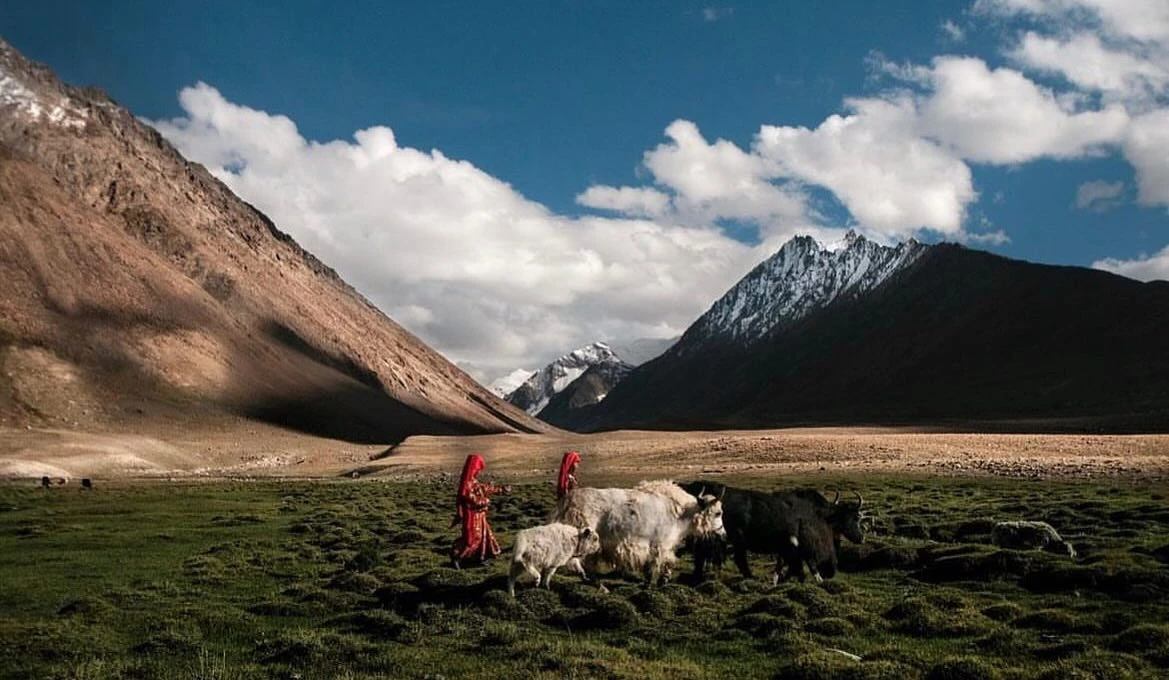
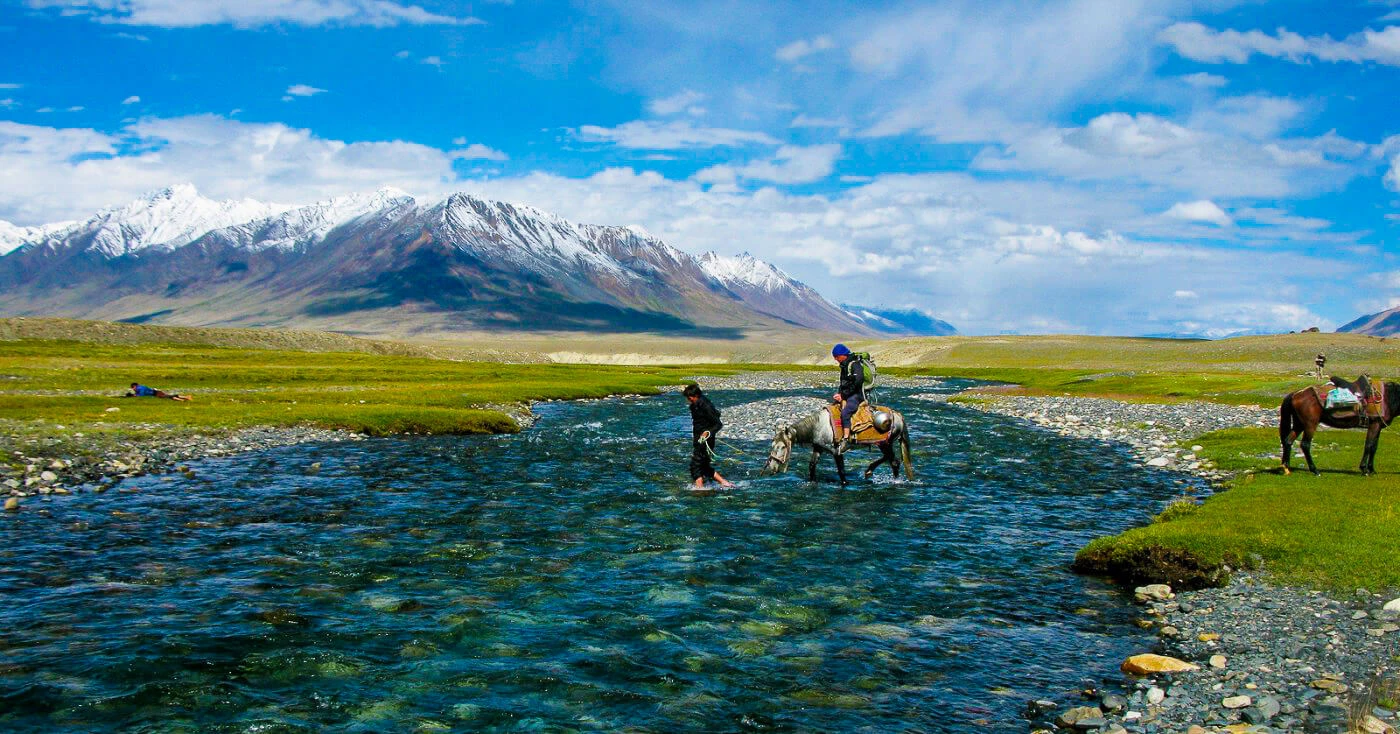
Badakhshan is mountain country. The Wakhan, now mostly within Wakhan District of Badakhshan Province, is a rugged strip where the Pamir, Hindu Kush and Karakoram ranges come together; the remainder of the historic Wakhan region lies across the border in Tajikistan's Gorno-Badakhshan. The Panj River, which forms much of the border with Tajikistan, runs along the route from Ishkashim, and on organised trips its valley is the visual thread of the journey east.
That geography sets the season. Tour.af's destination guide recommends summer (June to August) and early autumn (September to October) for Badakhshan, when trails are accessible and the weather is mild. The higher areas stay cool even in summer, and nights can be cold at any time of year.
Lapis country
Badakhshan has been famous for one stone for a very long time. The settlement of Sar-i Sang, in the Kokcha valley in Kuran Wa Munjan District, is known for its ancient lapis lazuli mines, which produce some of the world's finest lapis. Our destination guide notes that lapis from the region reached civilisations as far away as ancient Egypt, and lapis jewellery is one of the things visitors see in Badakhshan's markets alongside carpets and embroidery.
The mines themselves are not a standard tourist stop, and we do not include them on our published itineraries. The point for a traveller is context: the stone in the market has a history that runs through the whole Silk Road story of the region.
People and languages
Badakhshan's culture blends Tajik, Wakhi and Kyrgyz traditions. Dari and Wakhi are the main languages, with Kyrgyz and Pashto spoken in some areas. Hospitality is central to visits: tea in roadside villages, meals in guesthouses, and in the Wakhan, time with Wakhi and Kyrgyz families in high mountain villages. Local dishes include qurut palaw (rice with yogurt and lamb), mantu and fresh bread, with mulberries and apricots in season.
A few words of Dari go a long way, and your guide and translator will handle everything else.
How visitors actually travel there
Fayzabad is the hub. Tour.af's guide describes it as offering modest accommodation, including guesthouses and small hotels, and says flights to Fayzabad are available as well as the long road from Kabul. Within the province, 4x4 vehicles are essential and trekking is the way to reach the remoter valleys. Beyond Fayzabad, accommodation is in guesthouses, community-run lodges or camps.
On Tour.af's Wakhan itineraries, the core shape runs from Fayzabad east to Ishkashim along the Panj valley, with days visiting Wakhi and Kyrgyz villages and trekking in the Pamir highlands, before returning to Fayzabad. The published inclusions on the small-group trip list twin-share guesthouses and eco-lodges, all permits and entry fees including Wakhan Corridor access, breakfast, lunch and dinner, a private 4x4 with a local driver, an English-speaking guide and a cultural evening in Fayzabad.
The two published routes
Tour.af publishes two ten-day itineraries centred on Badakhshan:
| Tour | Days | Price per person | Format |
|---|---|---|---|
| Wakhan & Pamir Corridor, small group | 10 | from $2,990 | Max 5 travellers; 2027 departures 4-13 July, 18-27 July, 15-24 August |
| The Roof of Afghanistan Wakhan & Pamir | 10 | $3,990 | Differentiated longer-form Wakhan itinerary |
Public Wakhan prices are scarce. Tour.af's 2026 price index found only three published Wakhan and Pamir prices across all operators it checked, so comparisons should be treated with care.
Practical notes for a Badakhshan trip
- Permits. Badakhshan, and Wakhan access, must be on your travel permit, arranged in advance. Under current rules every foreign tourist travels with an official guide or translator.
- Altitude. Plan a gentle first day at height and tell your operator about any medical conditions.
- Layers. Temperatures drop quickly in the mountains, even in July.
- Cash. Banking is limited in rural areas; stock up in Fayzabad.
- Buffer. Weather and roads in the Wakhan need slack in the calendar; do not plan a tight connection on the way home.
- Insurance. Specialist cover that includes Afghanistan and medical evacuation is a requirement on our trips.
Is Badakhshan for you?
If you want the most remote landscapes Afghanistan offers, are comfortable with simple guesthouses, long drives and altitude, and can travel in July or August, Badakhshan and the Wakhan are extraordinary. If your time is short or your priority is cities and monuments, a Kabul, Bamiyan or Silk Road route will serve you better, and Badakhshan can be a second trip.
Tour.af, Ahmad Shah Baba Mena, Kabul 1012, Afghanistan. +93 70 521 4101. WhatsApp. tour.af
Written with AI assistance and reviewed by Tour.af. Geographic facts from Wikipedia (Badakhshan Province, Wakhan, Sar-i Sang, Fayzabad); trip details as published on Tour.af's pages on 23 November 2026.
